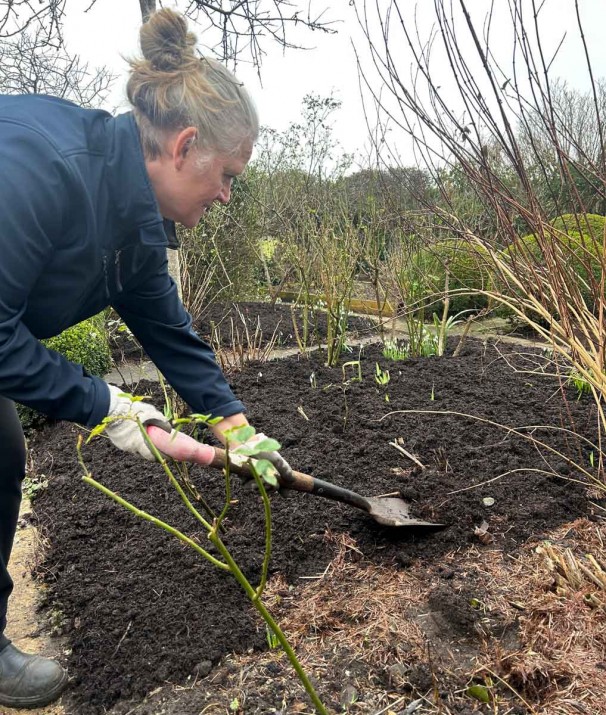
Advanced Practical Horticulture
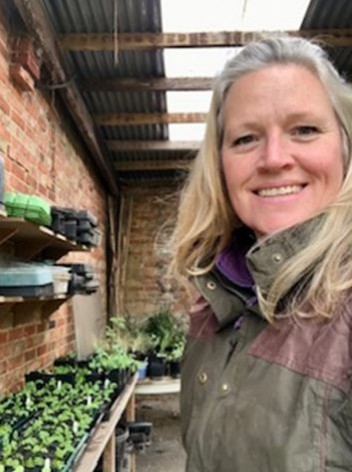

The natural next step for graduates of the Good Gardening Diploma, this course builds on the knowledge acquired to develop advanced techniques and a deeper understanding of garden management.
Working in two contrasting gardens across all four seasons, classes will combine seasonal discussions with hands-on practical work each month.
By the end of the year students will have the confidence and practical skills to maintain a garden to a high horticultural standard, understanding not only what to do, but why, when and how to do it.
Those completing the course will be awarded the English Gardening School Certificate in Advanced Practical Horticulture.
At a glance
Format: Ten sessions from January to November with a break in August.
Hours: 10.00am-4.00pm
Dates: 27 January, 24 February, 24 March, 28 April, 26 May, 28 June, 28 July, 29 September, 27 October, 24 November 2027.
Tutors: Caroline Jackson and Tina Woodward, with occasional sessions led by Ben Pope
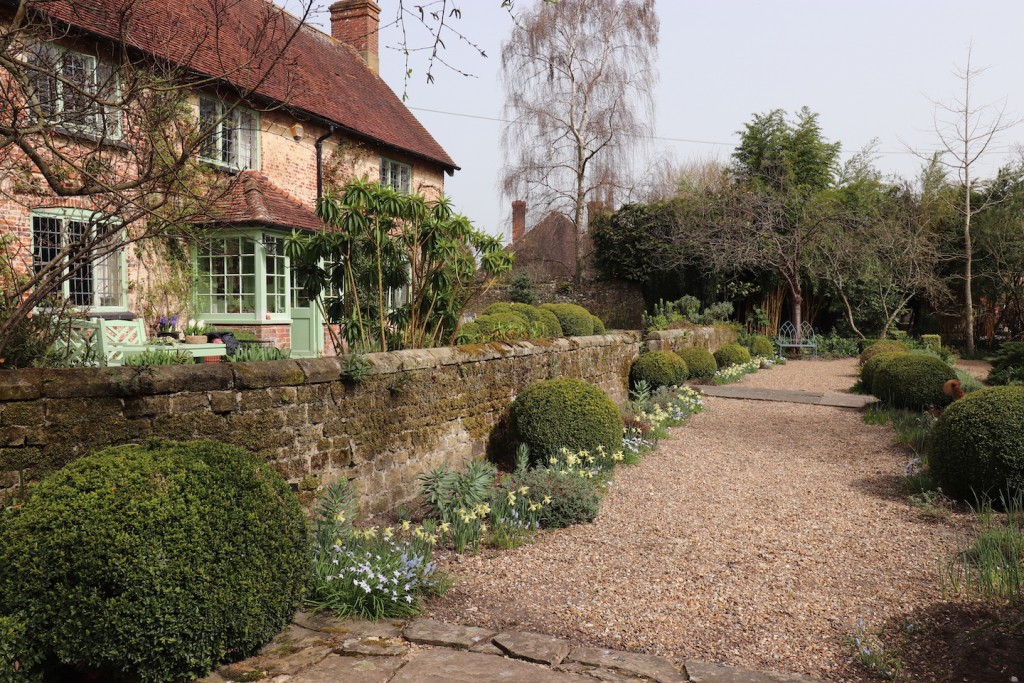
Venues: Sandhill Farm House, Rogate (home of our founder Rosemary Alexander) and The Garden Cottage, Petworth (home of our Principal B Brooks), giving you the chance to work in two very different gardens.
Entry: Open exclusively to graduates of the Good Gardening Diploma.
Class size: Maximum 16
Award: EGS Certificate of Advanced Practical Horticulture
What you’ll do
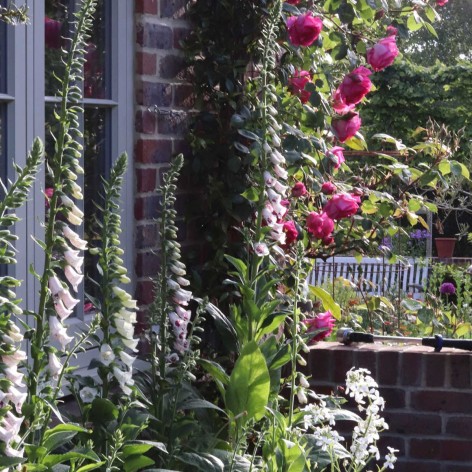 This is a practical and hands-on course. Across the year you will:
Prune, train and clip a wide range of ornamental plants and fruit trees
Practise propagation techniques, including division, cuttings, layering, air layering, and twin-scaling, taking some of your propagation work home
Learn how to use annuals, biennials, and self-seeding plants effectively
Develop the techniques needed to maintain and develop a garden with year-round interest
Sharpen your plant and weed identification skills
Keep a seasonal garden workbook, creating a personal record of the development and management of your own garden
The year, month by month
January: Lifting and dividing plants; identifying and managing winter weeds; cutting back perennials and ornamental grasses; mulching; recognising and managing pests and diseases in the glasshouse; plant identification.
February: Pruning and training fruit trees, shrubs and roses; lifting and dividing snowdrops in the green; sowing hardy annuals; plant identification.
March: Staking herbaceous perennials; propagation by division, cuttings, layering and air layering; sowing sweet peas and building frames; training climbers; preparing the kitchen garden for the growing season; plant identification.
April: Planning the bulb order; planting grasses and perennials; identifying weeds; direct-sowing hardy and half-hardy annuals; collecting hellebore seed; planning irrigation; plant identification.
May: Planting seasonal containers; identifying and managing pests and diseases; planting out hardy annuals; carrying out the Chelsea chop; propagating snowdrops by twin-scaling; propagating succulents; managing Buxus; plant identification.
June: Dividing bearded irises; thinning fruit; identifying weeds; taking shrub cuttings; managing drought; establishing and managing meadows; caring for the summer border; plant identification.
July: Summer pruning of trees, spring-flowering shrubs (wisteria, philadelphus etc) and restricted-growth fruit trees (espaliers, cordons, etc.); cutting back early-flowering perennials; assessing the garden for late-summer interest; plan winter work; ordering bulbs; maintaining meadows; plant identification.
September: Taking cuttings of salvias and other tender perennials for overwintering; seed collection; assessing the garden and planning winter work; beginning seasonal cutting back; management of brown material, compost bins, dead hedges; plant identification.
October: Pricking out hellebore seedlings; seed collection; lifting and storing dahlias; planting bulbs and perennials; taking cuttings; plant identification.
November: Planting trees, shrubs and roses; winter hedge cutting; plant identification.
How to Apply
For more information and to apply please click on the ‘Apply for this course’ button above. For help or further information, please contact us at info@englishgardeningschool.co.uk
The total cost for the course is £2,000 and paid in two instalments. Deposit payable to secure your place £1,000, balance due by 1 December 2026.
Tea, coffee and cake will be provided each day but please bring a picnic lunch.
How to Apply
To apply click on the 'Apply For This Course' button. Please contact us for more information
info@englishgardeningschool.co.uk